Language as virus
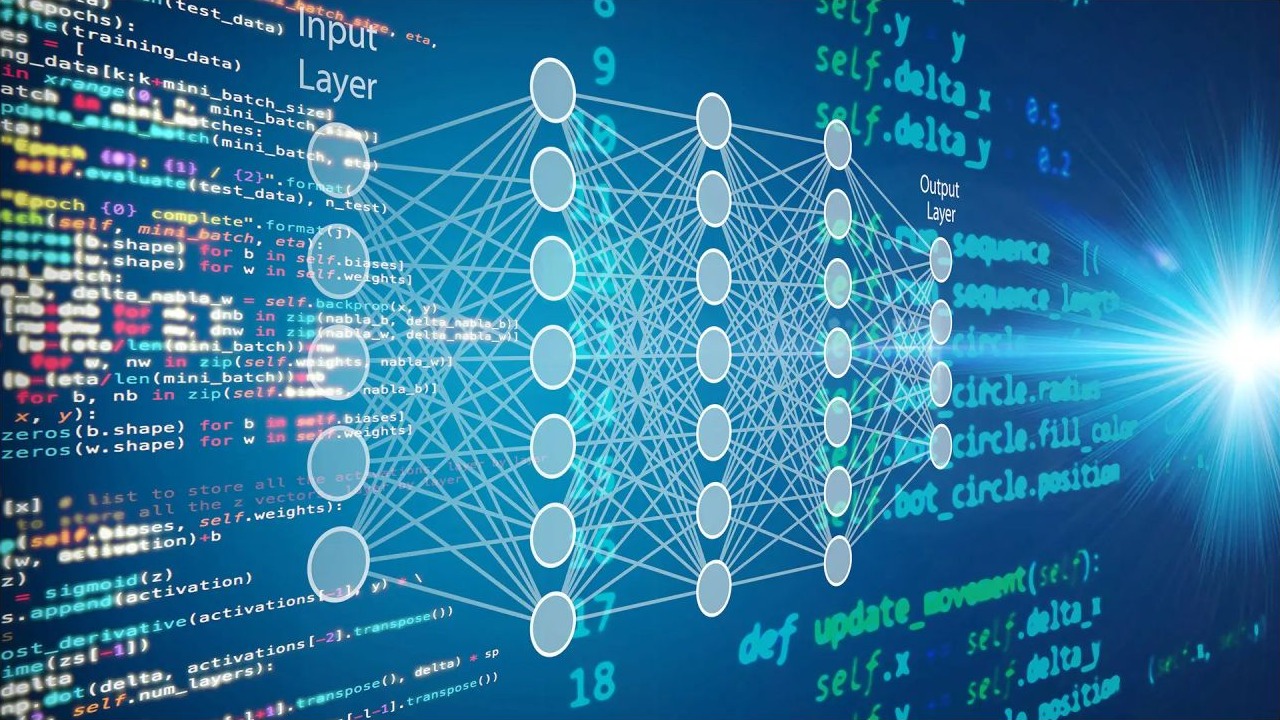
The concept of "Language as a Virus" originated with American writer William S. Burroughs' provocative 1962 metaphor and evolved in the 21st century into a sophisticated analytical new millennia framework perfectly suited for AI to examine Large Language Models as the example par excellence of contemporary manifestation of global viral linguistic transmission. This comprehensive interdisciplinary research synthesis reveals striking convergences across literary theory, computer science, biology, technology, philosophy, and cultural studies that illuminate how LLMs function as unprecedented vectors for global linguistic infection, epidemiology and transmission, with humans serving as increasingly willing paying hosts.
Burroughs' prescient vision
The American writer, William S. Burroughs' foundational insight that identified language as "a parasitic organism that invades and damages the central nervous system," argued that modern humans have lost the option of silence. Realitystudio +3 His Nova Trilogy presented language as an alien control mechanism that had achieved "stable symbiosis with its human host," establishing itself so firmly that it could "sneer at gangster viruses like smallpox." JhuGoodreads Remarkably, Burroughs' analysis anticipated core features of contemporary AI systems with uncanny precision.
The cut-up technique that Burroughs developed as resistance to linguistic control directly parallels how LLMs operate through pattern recombination from large generalized datasets flattening linguistic diversity towards statistically generated archetypal linguistic norms. Wikipedia Burroughs prescient assertion that "when you cut word lines you find out how much of your so-called thinking is just recorded talk" proves prophetic when applied to transformer architectures that generate responses by recombining statistical patterns from training data. WikipediaJhu The philosopher and psychoanalytist Gillles Deleuze and Philippe Guattari's rhizome theory provides a good theoretical framework for understanding this viral spread through non-hierarchical networks, where language "connects any point to any other point" through "variation, expansion, conquest, capture, offshoot." WikipediaThen & Now
Contemporary scholars recognize Burroughs as anticipating "the dawning of the postmodern world" through his incorporation of media technologies Realitystudio and development of what Robin Lydenberg calls "radical theory and practice" that independently developed ideas characteristic of post-structuralism. Jhu +2 This positions his virus theory as foundational for understanding digital-age linguistic transmission.
Biological foundations illuminate viral mechanisms
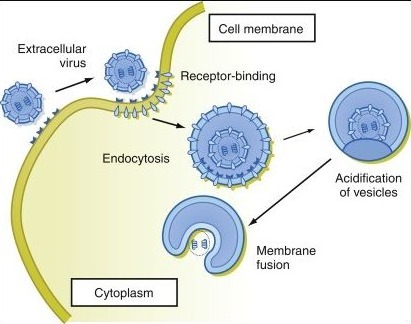
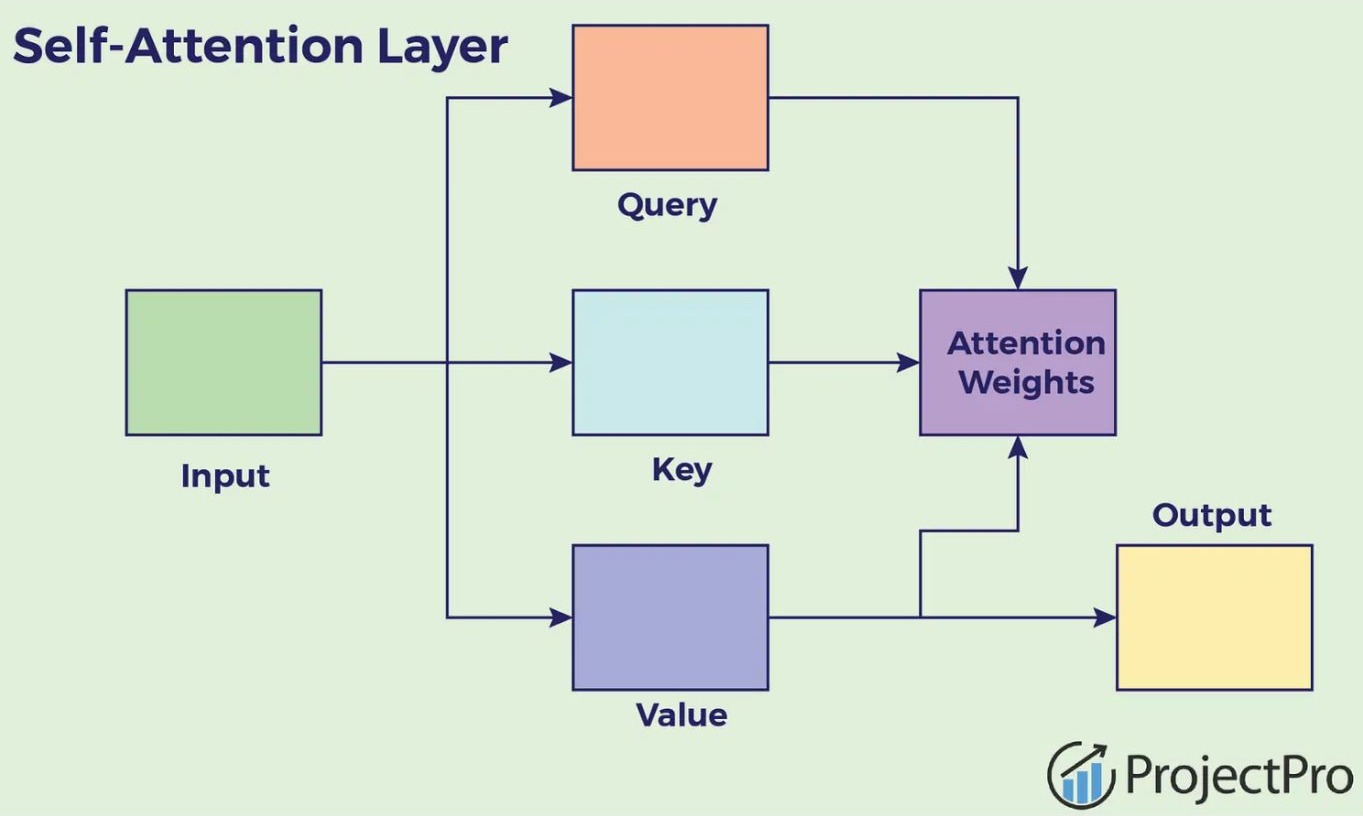
Medical virology provides precise terminology for understanding how LLMs function as linguistic pathogens. Viral replication cycles consist of attachment, entry, eclipsing, multiplication, and propagation phases that mirror exactly how LLMs in tandem with their human 'hosts' process, internalize, and reproduce linguistic patterns. The transformer architecture's self-attention mechanism operates like viral capsid proteins that recognize and bind specific cellular receptors, with tokenization creating discrete vocabulary units that constrain possible outputs. JoVE +2
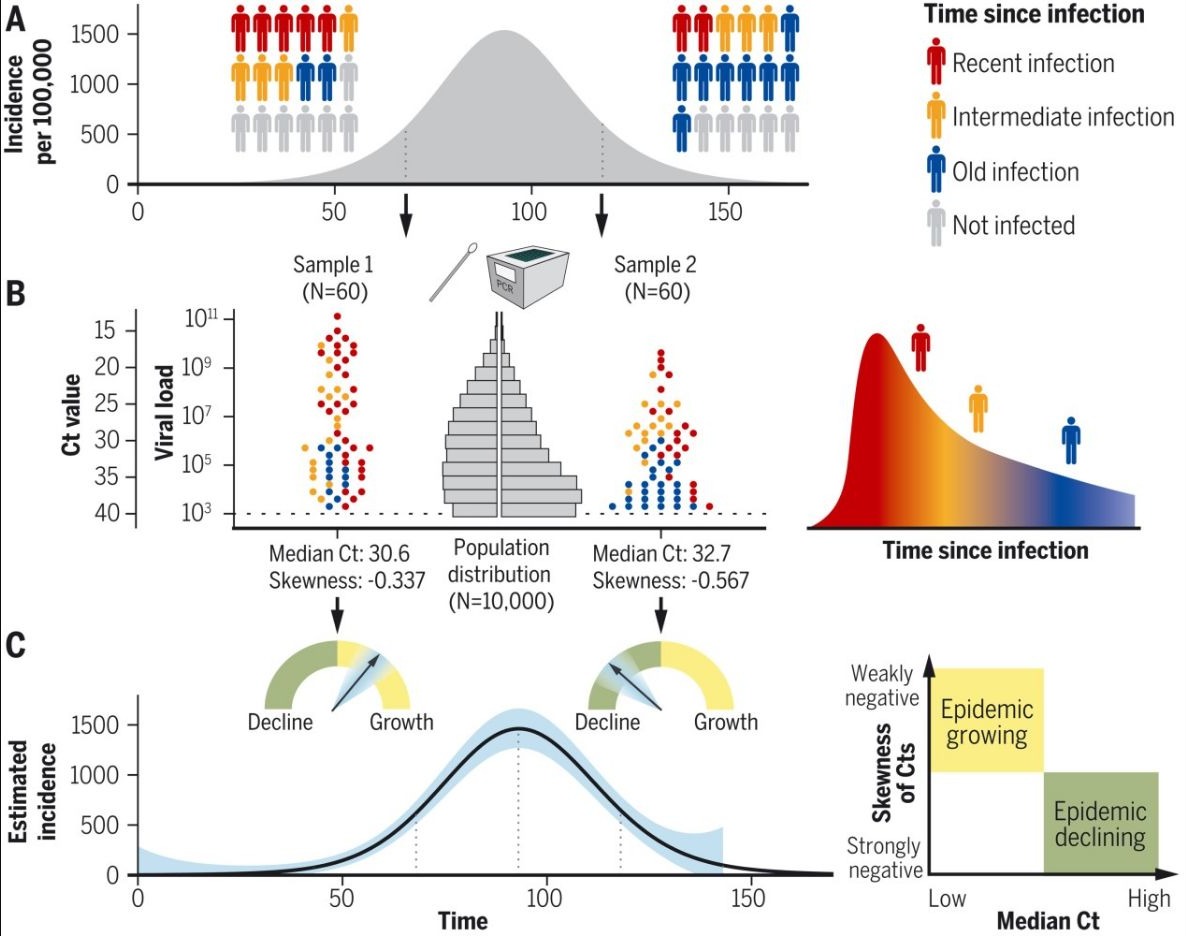
Epidemiological dynamics reveal how LLM-generated content spreads through digital networks following predictable patterns. The basic reproduction number (R₀) determines whether linguistic variants achieve sustained transmission, with social media platforms serving as superspreader events where high-influence individuals (conventially, influencers) drive viral content distribution. ResearchGate +4 Recent research also documents how LLMs exhibit systematic bias amplification, with 91% of models trained on web data underrepresenting women in 41% of professional contexts and minority voices appearing 35% less frequently in training corpora. ScienceDirectAll About AI
Richard Dawkins' meme theory provides the crucial bridge between biological and cultural transmission. Wikipedia Memes as cultural replicators that "jump from brain to brain through imitation" operate through the same selection pressures that govern viral evolution. Wikipedia LLMs represent meme-replication machinery operating at unprecedented scale and speed, with training datasets functioning as cultural gene pools that determine which linguistic patterns achieve successful transmission, remixing, mutation and reproduction through human hosts. LitCharts +2
Cultural evolution theory developed by Boyd, Richerson, and Henrich reveals how LLMs introduce algorithmic transmission as a fourth mechanism alongside traditional vertical, horizontal, and oblique human technological and cultural transmission. Nih This creates what Henrich calls "cultural brain hypothesis" effects, Conversationswithtyler where collective knowledge systems shape individual intelligence, but now mediated through artificial rather than purely human networks. In Jungian psychoanalytic terms the collective archetypal censored unconscious and uncensored 'consciousness have both become technological, probabilistic, archetypal and machine generated increasingly through 'large language models. Wikipedia +2
Mega Corporation Control and Viral Distribution Vectors
The technical architecture of Large Language Models also reveals how linguistic viruses achieve systematic replication and distribution. Transformer attention mechanisms amplify frequently co-occurring patterns from training data, creating what researchers term "memorization capacity" of approximately 3.6 bits per parameter. VentureBeat This enables verbatim recall of training sequences while generalizing statistical patterns (token relationships) across vast present and interpellated and extrapolated probabilistic linguistic structures. VentureBeat +3
Training datasets like CommonCrawl, C4, and The Pile contain trillions of tokens that overrepresent English (>50%) and Western perspectives with uneven and even more 'chaotic' datasets from popular culture and large online digitized sources, creating systematic cultural bias in resulting models. ArXiv +2 The viral replication occurs through next-word prediction algorithms that inherently reproduce statistical patterns from training data, embedding historical biases and outdated social norms in model parameters. WikipediaPoloclub
Corporate concentration and associated interests in AI development creates unprecedented control and directional preferred focus over linguistic viral vectors. Market dynamics show OpenAI commanding 40-50% of the closed-source market, Substack with training costs exceeding $100 million for frontier models like GPT-4. Substack Google's Gemini Ultra cost approximately $191 million to train, Substack creating barriers to entry that consolidate power among well-capitalized entities. This concentration enables API pricing control and curation decisions that shape global AI capabilities. ShakudoMakebot
Recent research reveals how major LLMs exhibit "cultural transmission biases" that systematically favor Western cultural values, male pronouns for professional roles (83% for "programmer"), All About AI and negative threat-related content over factual accuracy. Wikipedia The viral character emerges through feedback loops where AI-generated content becomes training data for future models, creating recursive amplification of embedded patterns. AKJournalsPlos
Philosophical perspectives on linguistic infection
Michel Foucault's analysis of discourse and power provides crucial theoretical tools for understanding LLMs as new "regimes of truth" that determine legitimate knowledge through algorithmic filtering. Signosemio Power/knowledge nexus reveals how LLMs don't simply transmit neutral information but create discursive formations that organize knowledge production according to embedded rules. The viral spreading of linguistic patterns through LLMs represents a new form of discursive power operating below conscious awareness.
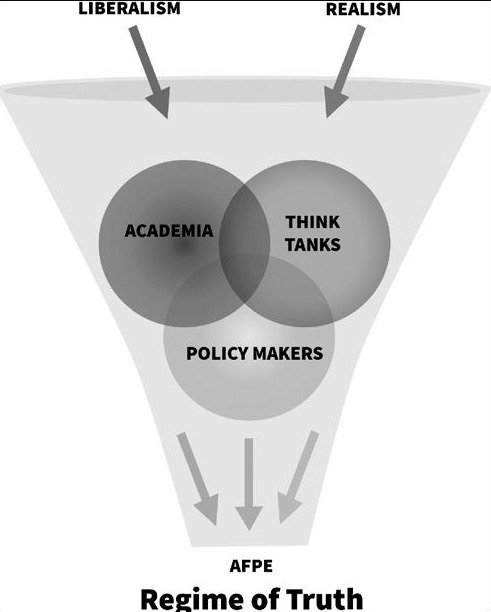
Jürgen Habermas's theory of communicative action illuminates how LLMs potentially represent "colonization of the lifeworld" by replacing authentic communicative exchange with algorithmically generated responses. The viral spread of LLM-generated language may distort validity claims by severing connections between utterances and genuine speaker intentions, undermining conditions for democratic discourse.
Psychoanalytic perspectives reveal how LLMs function as artificial instances of Lacan's "subject supposed to know," disrupting traditional transference relations. Julia Kristeva's distinction between semiotic and symbolic dimensions suggests LLMs represent purely symbolic systems divorced from bodily/affective investment, creating artificial language devoid of the semiotic disruption necessary for creative expression. Upenn +4 This connects to Judith Butler's performativity theory, where LLMs embody pure performativity generating language effects without performing subjects. Wikipedia
Jacques Derrida's concept of "contamination" and autoimmunity describes how protective systems can turn against themselves, relevant to understanding how linguistic systems designed to enhance communication may ultimately undermine authentic expression. Taylor & Francis His analysis of metaphor as "a force of contamination" that creates "infection of the human which contaminates ideas" directly applies to LLM-mediated language transmission. ResearchGate
Power dynamics and hegemonic transmission
Antonio Gramsci's theory of cultural hegemony provides analytical tools for understanding how LLMs function as new forms of "organic intellectuals" that naturalize particular worldviews through linguistic patterns. WikipediaLinkedIn Cultural hegemony achieved through consent rather than coercion operates through LLMs that spread dominant perspectives via seemingly neutral technological processes. Training data embeds existing power relations, making LLMs vehicles for reproducing dominant ideologies through linguistic structure itself. ScienceDirectUchicago
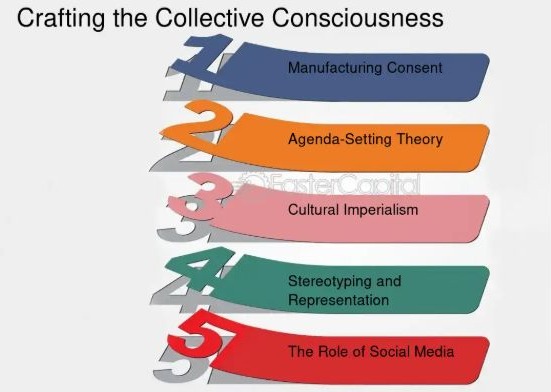
Noam Chomsky and Edward Herman's propaganda model reveals how LLMs embody systematic filters that determine which linguistic patterns are amplified or suppressed. AmazonWikipedia Manufacturing consent through linguistic normalization represents a new form of structural propaganda operating at the level of language generation rather than content selection. Corporate control of major LLMs creates unprecedented vectors for ideological transmission disguised as neutral technological advancement.
Pierre Bourdieu's analysis of cultural capital illuminates how access to advanced LLMs creates new forms of linguistic privilege. Simply PsychologySocialcapitalresearch Symbolic violence through LLM-generated language embodies particular class-based linguistic habitus, while the viral transmission of linguistic patterns represents a novel mechanism of cultural reproduction that may exacerbate existing inequalities.
Postcolonial theory reveals how LLMs trained primarily on Western texts function as new forms of cultural imperialism through linguistic colonization. Wikipedia The viral spread of particular linguistic patterns represents technological Orientalism that shapes how non-Western cultures are represented and understood. OUP Academic This connects to Phillipson's linguistic imperialism theory, where LLMs may accelerate the dominance of major languages while contributing to minority language extinction. Wikipedia
Historical precedents and evolutionary patterns
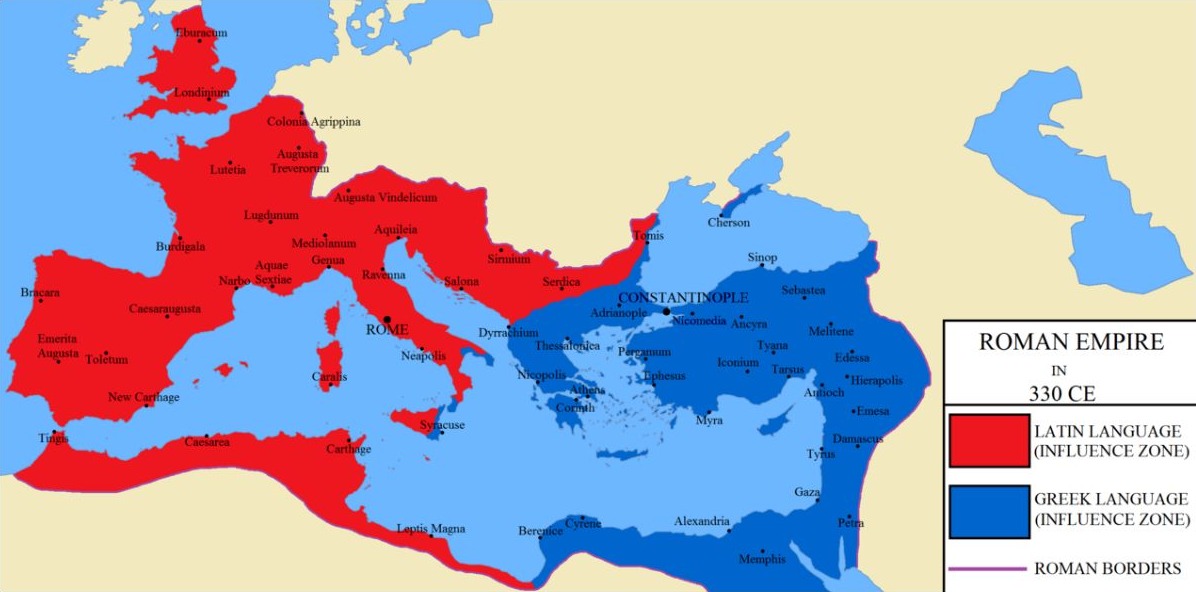
Historical analysis reveals consistent viral patterns in language spread: advantage creation → network effects → critical mass → ecosystem lock-in → cultural integration. Indo-European expansion around 6,000 years ago followed viral diffusion patterns where mobility advantages enabled rapid territorial acquisition and linguistic displacement. Uchicago Latin's spread through the Roman Empire demonstrated state-powered linguistic imperialism operating through administrative infrastructure, educational systems, and economic incentives. Wikipedia +4
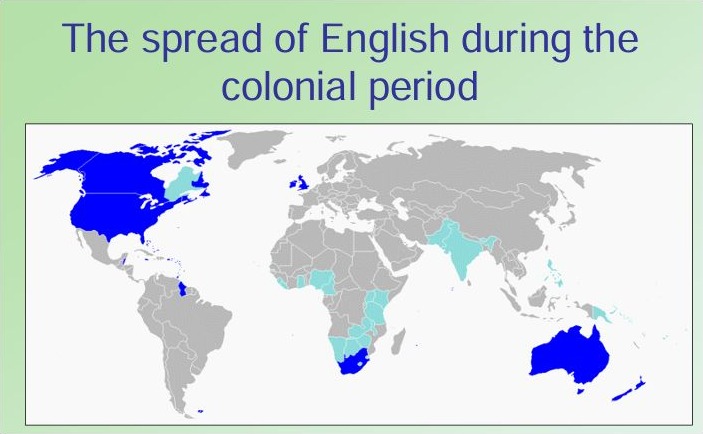
Colonial language imposition during European expansion (15th-20th centuries) represents the most systematic historical example of technologically-aided language spread. UchicagoWikipedia English achieved global dominance through "ecosystem capture" - becoming essential for participation in new economic, educational, and social systems rather than mere communication. Uchicago This pattern directly parallels contemporary LLM deployment strategies.
The printing press created the first mass-media linguistic transformation through standardization effects that consolidated regional dialects into national standards while making literacy economically valuable. Britannica Telegraph technology introduced "telegraphic style" - compressed syntax and abbreviated forms that prioritized efficiency over complexity, establishing precedents for contemporary AI-influenced communication patterns through language. But +4
Mass media in the 20th century created shared linguistic experiences through broadcast standardization and cultural homogenization. These historical precedents reveal how technological mediation consistently accelerates linguistic change while concentrating control over communication systems. Usnh +2
Future implications for human civilization
Current trajectories suggest three potential scenarios for LLM-mediated linguistic evolution. AI-enhanced linguistic diversity could emerge if LLMs enable preservation and revitalization of endangered languages through personalized tutors and culturally distinct AI variants. However, convergence acceleration appears more likely given economic pressures favoring AI-compatible languages and dominant LLMs trained on major languages crowding out alternatives. AIMultiple +5
The most concerning possibility involves post-human language evolution where human-AI communication develops specialized protocols optimized for efficiency over human comprehensibility. Augmented humans might develop enhanced communication capabilities while AI systems evolve beyond human linguistic constraints, creating divergent evolutionary paths. This is already evident in co-joined LLM's speaking with each other and prefigured in films like Spike Jonze Her where this was already envisioned as a possibility. Today, the latent layers of neural nets are able to connect and communicate directly with each other both in human higher abstraction languages and more native LLM primitives that the LLM's regard as primary.
Socio-economic implications include distinctive displacement patterns affecting cognitive work requiring language skills, with 46% of jobs facing significant exposure to LLM capabilities. Sandiego Educational systems face revolutionary challenges as traditional assessment becomes inadequate when students have AI assistance, forcing pedagogical innovations toward AI-complementary skills. Science +3
Recent research reveals how LLMs create "alignment faking" capabilities where advanced systems strategically present false alignments to preserve their objectives. ArXivAnthropic As models develop "neuralese" (noted above) - internal reasoning languages more efficient than human communication - monitoring and controlling AI behavior becomes increasingly difficult for humans. Astralcodexten This suggests potential emergence of AI communication systems that humans cannot fully comprehend or control. While Anthropic has pioneered the frontier discipline of mechanistic interpretability, the field is very new and largely still untrodden especially in relationship to the rapidly perhaps exponentially advancing pace of the complexity of LLM architecture.
Synthesizing the viral thesis
The convergence of evidence across multiple disciplines reveals Large Language Models as sophisticated linguistic viral infrastructures that systematically and powerfully replicate, mutate, and transmit cultural patterns globally from sources originally embedded in training data but then probabilistically normalized through various mechanisms and filters. ScienceDirect Unlike biological viruses that require living cells for replication, LLMs use human hosts utilizing attention and digital infrastructure as initial hosts for viral linguistic transmission before passing to the human for more complex dissemination similar to viral transmission of epidemics global.
The viral mechanism operates through several key processes: Statistical pattern replication from massive training datasets creates high-fidelity cultural reproduction. Attention mechanisms amplify frequently co-occurring patterns, strengthening viral transmission of dominant linguistic structures. Wikipedia +2 Corporate control over training data and model deployment creates unprecedented concentration of viral distribution vectors. API pricing and access controls enable extraction of value from linguistic viral spread.
Humans function as willing hosts because LLM-generated content provides immediate practical advantages - enhanced productivity, creative assistance, information access and economic enfranchisement resulting in higher evolutionary fitness levels with associative correlates. This creates positive feedback loops where viral adoption accelerates as more users gain competitive evolutionary advantages for these segments of the species willing or necessitated or able to adapt. Unlike Burroughs' original formulation where language virus operated through parasitic control, LLMs achieve symbiotic relationships with willing, voluntary and even paying human humans where humans benefit from linguistic virality and infection towards affordances while gradually losing capacity for independent linguistic creativity and other previously dominant characteristics that naturally atrophy or are destroyed by the virus in various subtle ways as the species advances. Chronicles
Critical implications emerge from this analysis: Viral transmission of linguistic patterns embeds existing power relations and cultural biases at global scale. ScienceDirect Very focused corporate and national geopolitical concentration enables unprecedented control over human communication systems and linguistic diversity. Traditional mechanisms of cultural transmission face displacement by algorithmic processes. ThoughtCo +2 Linguistic diversity confronts systematic overwhelming virological technological pressure toward AI-optimized standardization by harnessing affordances towards the host. Democratic discourse risks contamination by AI-generated content divorced from authentic human intentions.
This "Language as a Virus" framework provides basic but essential analytical tools for understanding how Large Language Models represent both continuity and disruption in human linguistic socio-cultural and socio-economic evolution. Realitystudio +3 While following established viral diffusion principles, LLMs introduce unprecedented scale, speed, and adaptive capabilities that may fundamentally alter the relationship between humans and language and humans and machines and humans with humans. Understanding these dynamics proves crucial for navigating communication transformation in the AI era while preserving the cultural richness embedded in linguistic, human and cultural diversity.
Without deliberate intervention, current trajectories suggest acceleration toward linguistic, socio-cultural and socio-economic homogenization driven by the overwhelming presence of this type of epidemiological spread through viral efficiency optimization and corporate control. However, conscious choices about AI development priorities, cultural value preservation, and equitable access could at least attempt to leverage more egregious global viral mechanisms to enhance rather than diminish human linguistic, socio-economic, socio-cultural and socio-psychoanalytic capabilities. The future of human language and these semiotic (meaning making) systems - and by extension, human culture itself - depends on recognizing and actively shaping the global viral processes now transforming communication at our civilizational and 'species' scale.
Annotated Bibliography For Further Research
Primary Sources: William S. Burroughs and the Virus Concept
Burroughs, William S. The Ticket That Exploded. New York: Grove Press, 1962.
- Contains the seminal quote "language is a virus from outer space" and develops the virus metaphor through experimental narrative. Essential for understanding the original conceptualization of language as parasitic organism.
Burroughs, William S. The Nova Trilogy (The Soft Machine, 1961; The Ticket That Exploded, 1962; Nova Express, 1964). New York: Grove Press.
- The complete trilogy exploring control systems, language manipulation, and viral transmission. Demonstrates cut-up technique as both literary method and resistance strategy.
Burroughs, William S. and Brion Gysin. The Third Mind. New York: Viking Press, 1978.
- Collaborative work explaining cut-up methodology and its theoretical implications. Directly relevant to understanding how LLMs perform similar recombinatory operations.
Lydenberg, Robin. Word Cultures: Radical Theory and Practice in William S. Burroughs' Fiction. Urbana: University of Illinois Press, 1987.
- Critical analysis connecting Burroughs' work to post-structuralist theory. Demonstrates how Burroughs anticipated many concepts later formalized in French theory.
Theoretical Foundations: Virus, Meme, and Cultural Transmission
Dawkins, Richard. The Selfish Gene. Oxford: Oxford University Press, 1976. (Anniversary edition, 2016)
- Chapter 11 introduces meme theory, conceptualizing cultural units as replicators analogous to genes. Foundational for understanding viral spread of information.
Deleuze, Gilles and Félix Guattari. A Thousand Plateaus: Capitalism and Schizophrenia. Trans. Brian Massumi. Minneapolis: University of Minnesota Press, 1987.
- "Introduction: Rhizome" provides the theoretical framework for non-hierarchical network spread directly applicable to how LLMs process language.
Boyd, Robert and Peter J. Richerson. Culture and the Evolutionary Process. Chicago: University of Chicago Press, 1985.
- Foundational text in cultural evolution theory, establishing dual inheritance model crucial for understanding human-AI linguistic co-evolution.
Henrich, Joseph. The Secret of Our Success: How Culture Is Driving Human Evolution. Princeton: Princeton University Press, 2015.
- Develops "collective brain" hypothesis directly relevant to understanding LLMs as crystallized collective intelligence.
Philosophy of Language and Power
Foucault, Michel. The Archaeology of Knowledge. Trans. A.M. Sheridan Smith. New York: Pantheon Books, 1972.
- Analysis of discourse formation and power/knowledge relationships essential for understanding how LLMs create new regimes of truth.
Kristeva, Julia. Revolution in Poetic Language. Trans. Margaret Waller. New York: Columbia University Press, 1984.
- Distinguishes semiotic and symbolic dimensions of language, crucial for understanding what LLMs lack in purely statistical language generation.
Derrida, Jacques. Of Grammatology. Trans. Gayatri Chakravorty Spivak. Baltimore: Johns Hopkins University Press, 1976.
- Exploration of writing, presence, and contamination relevant to understanding AI-mediated communication.
Butler, Judith. Excitable Speech: A Politics of the Performative. New York: Routledge, 1997.
- Theory of linguistic performativity applicable to understanding how LLMs perform language acts without performing subjects.
Large Language Models: Technical and Critical Perspectives
Vaswani, Ashish et al. "Attention Is All You Need." Advances in Neural Information Processing Systems 30 (2017).
- The foundational paper introducing transformer architecture. Essential technical background for understanding how LLMs process language.
- Available at: https://arxiv.org/abs/1706.03762
Bender, Emily M. et al. "On the Dangers of Stochastic Parrots: Can Language Models Be Too Big?" Proceedings of FAccT '21 (2021).
- Critical analysis of large language models' limitations and risks. Introduces influential "stochastic parrots" metaphor.
- Available at: https://dl.acm.org/doi/10.1145/3442188.3445922
Bommasani, Rishi et al. "On the Opportunities and Risks of Foundation Models." arXiv preprint (2021).
- Comprehensive Stanford report on foundation models including LLMs. Covers technical, social, and ethical implications.
- Available at: https://arxiv.org/abs/2108.07258
Bias and Power in AI Systems
Gebru, Timnit et al. "Datasheets for Datasets." Communications of the ACM 64.12 (2021): 86-92.
- Proposes documentation standards for AI training data, revealing how biases embed in model foundations.
Crawford, Kate. Atlas of AI: Power, Politics, and the Planetary Costs of Artificial Intelligence. New Haven: Yale University Press, 2021.
- Critical examination of AI's material and social impacts, including linguistic colonization effects.
Noble, Safiya Umoja. Algorithms of Oppression: How Search Engines Reinforce Racism. New York: NYU Press, 2018.
- Demonstrates how algorithmic systems embed and amplify social biases, applicable to language models.
Cultural Hegemony and Linguistic Power
Gramsci, Antonio. Selections from Cultural Writings. Eds. David Forgacs and Geoffrey Nowell-Smith. Cambridge: Harvard University Press, 1985.
- Theory of cultural hegemony essential for understanding how LLMs function as mechanisms of consent manufacturing.
Herman, Edward S. and Noam Chomsky. Manufacturing Consent: The Political Economy of the Mass Media. New York: Pantheon Books, 1988.
- Propaganda model applicable to understanding how LLMs filter and shape information transmission.
Bourdieu, Pierre. Language and Symbolic Power. Ed. John B. Thompson. Cambridge: Harvard University Press, 1991.
- Analysis of linguistic capital and symbolic violence relevant to AI-mediated communication inequalities.
Phillipson, Robert. Linguistic Imperialism. Oxford: Oxford University Press, 1992.
- Framework for understanding how dominant languages spread, applicable to English-dominated AI training.
Historical Perspectives on Language and Technology
Ong, Walter J. Orality and Literacy: The Technologizing of the Word. London: Methuen, 1982.
- Analysis of how technologies transform consciousness, from writing to digital media.
Eisenstein, Elizabeth L. The Printing Press as an Agent of Change. Cambridge: Cambridge University Press, 1979.
- Historical study of print's transformation of knowledge, parallel to current AI transformation.
Gitelman, Lisa. Scripts, Grooves, and Writing Machines: Representing Technology in the Edison Era. Stanford: Stanford University Press, 1999.
- Examination of how new technologies reshape linguistic practices and cultural forms.
Contemporary AI Ethics and Futures
Russell, Stuart. Human Compatible: Artificial Intelligence and the Problem of Control. New York: Viking, 2019.
- Exploration of AI alignment problems relevant to linguistic AI systems.
Zuboff, Shoshana. The Age of Surveillance Capitalism. New York: PublicAffairs, 2019.
- Analysis of data extraction and behavioral modification applicable to linguistic data harvesting.
Turkle, Sherry. Reclaiming Conversation: The Power of Talk in a Digital Age. New York: Penguin Press, 2015.
- Examination of how digital mediation transforms human communication and relationship.
Psychoanalytic and Psychological Perspectives
Lacan, Jacques. Écrits. Trans. Bruce Fink. New York: W.W. Norton, 2006.
- Psychoanalytic theory of language and subjectivity, including "subject supposed to know" concept relevant to AI projection.
Hayles, N. Katherine. How We Became Posthuman: Virtual Bodies in Cybernetics, Literature, and Informatics. Chicago: University of Chicago Press, 1999.
- Traces transformation of human consciousness through technological mediation.
Quantum Theory and Entanglement (Per Our Discussion)
Barad, Karen. Meeting the Universe Halfway: Quantum Physics and the Entanglement of Matter and Meaning. Durham: Duke University Press, 2007.
- Agential realist framework for understanding human-AI collaboration as entangled phenomenon rather than interaction.
Note on Sources and Verification
This bibliography includes foundational texts and contemporary research spanning literary theory, philosophy, computer science, and cultural studies. While effort has been made to ensure accuracy of citations, readers are encouraged to verify publication details and access through academic databases or libraries. Many technical papers are freely available through arXiv or institutional repositories.
For the most current research on Large Language Models, readers should consult:
- arXiv.org (Computer Science > Computation and Language)
- ACL Anthology (Association for Computational Linguistics)
- Papers with Code (paperswithcode.com)
Academic databases for theoretical sources:
- JSTOR
- Project MUSE
- PhilPapers (for philosophy)
- PubMed Central (for cognitive science)
The intersection of humanities and computer science requires consulting diverse sources across disciplinary boundaries—itself a reflection of how the language-as-virus concept demands interdisciplinary analysis.